

Facilities
The PPC is located in Suite 310 of Mehl Hall at the Gateway Research Park- North Campus, approximately 20 minutes north of UNCG’s main campus.
Use the buttons to filter cards by category. All categories are shown by default. A clear filters button appears when a category is chosen.
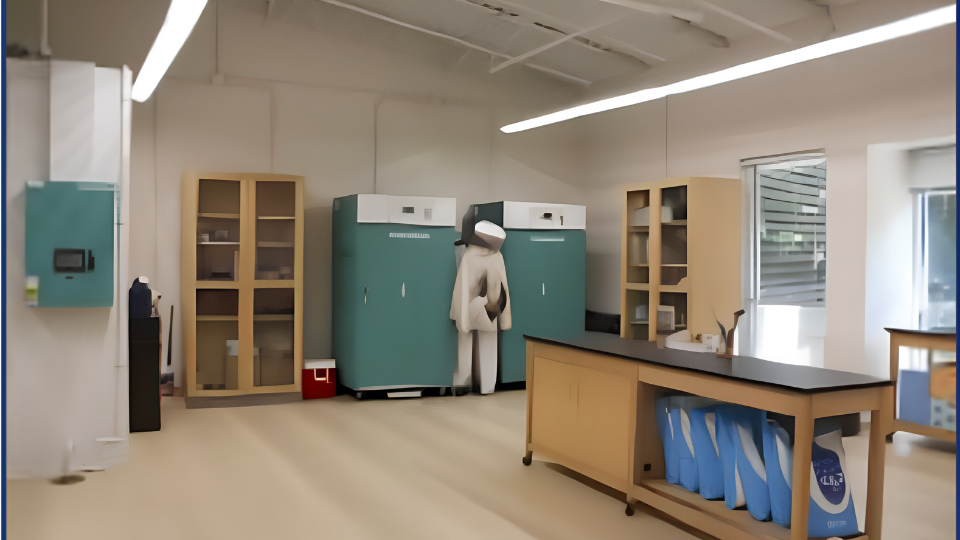
Field Lab
The field lab space is designed as the entry point where faculty and students can process samples (e.g. plants, soil, insects) without tracking dirt or contaminants into the molecular space. The space contains two humidity, temperature, and light controlled incubators, a large walk-in humidity, temperature, and light controlled incubator, a walk in cold room, drying ovens, large sinks, storage, and bench space. This is an excellent lab for students and faculty to work together to sort, measure and analyze field samples.

Molecular Research Lab
The molecular lab space allows real-time analysis of data at the PPC. Much of the research and teaching performed at the PPC involves a molecular component (i.e. characterization of genetic and other cellular aspects of microbes, plants and animals). This lab provides a sterile work environment for analyzing and characterizing field samples at a molecular level. The lab is used for day-to-day molecular research at the PPC. In addition to research, this space can be used for undergraduate and graduate courses in biology when there is a field component and molecular techniques are needed for demonstration and teaching.
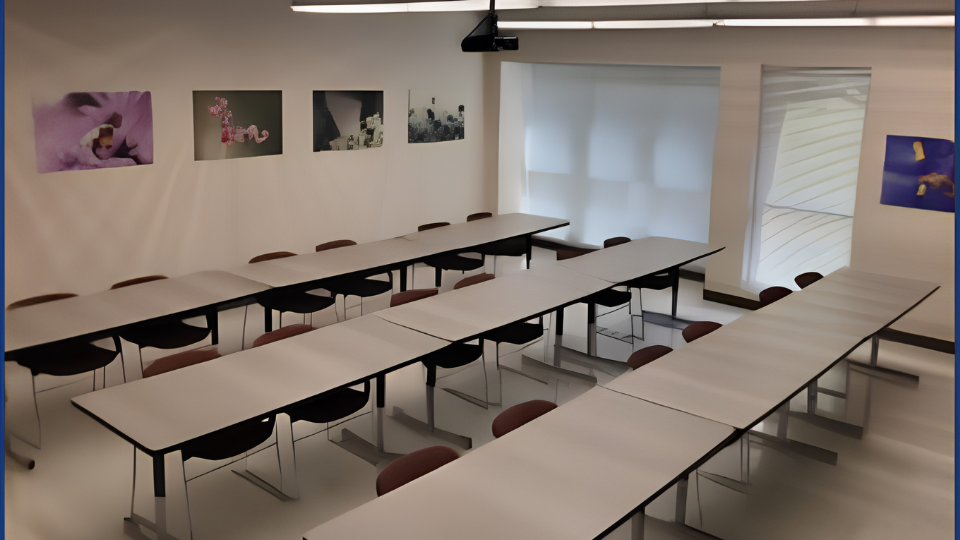
Community Engagement Room
This 24-person classroom is used for collaborative, teaching, and outreach activities at the PPC. Faculty working at the PPC can hold classes or have their research group meetings in this room, and the room is often used by community members for workshops, meetings and other outreach events. Community organizations who have or are invited to use this space include state apiary inspectors, county beekeepers, farmers, Audubon and wildlife conservation groups, master gardener groups, STEAM initiatives, and K-12 schools and organizations. In addition, the community engagement room can be used for meetings and conferences with collaborating scientists and industry employees that utilize the facilities and/or collaborate on research projects.
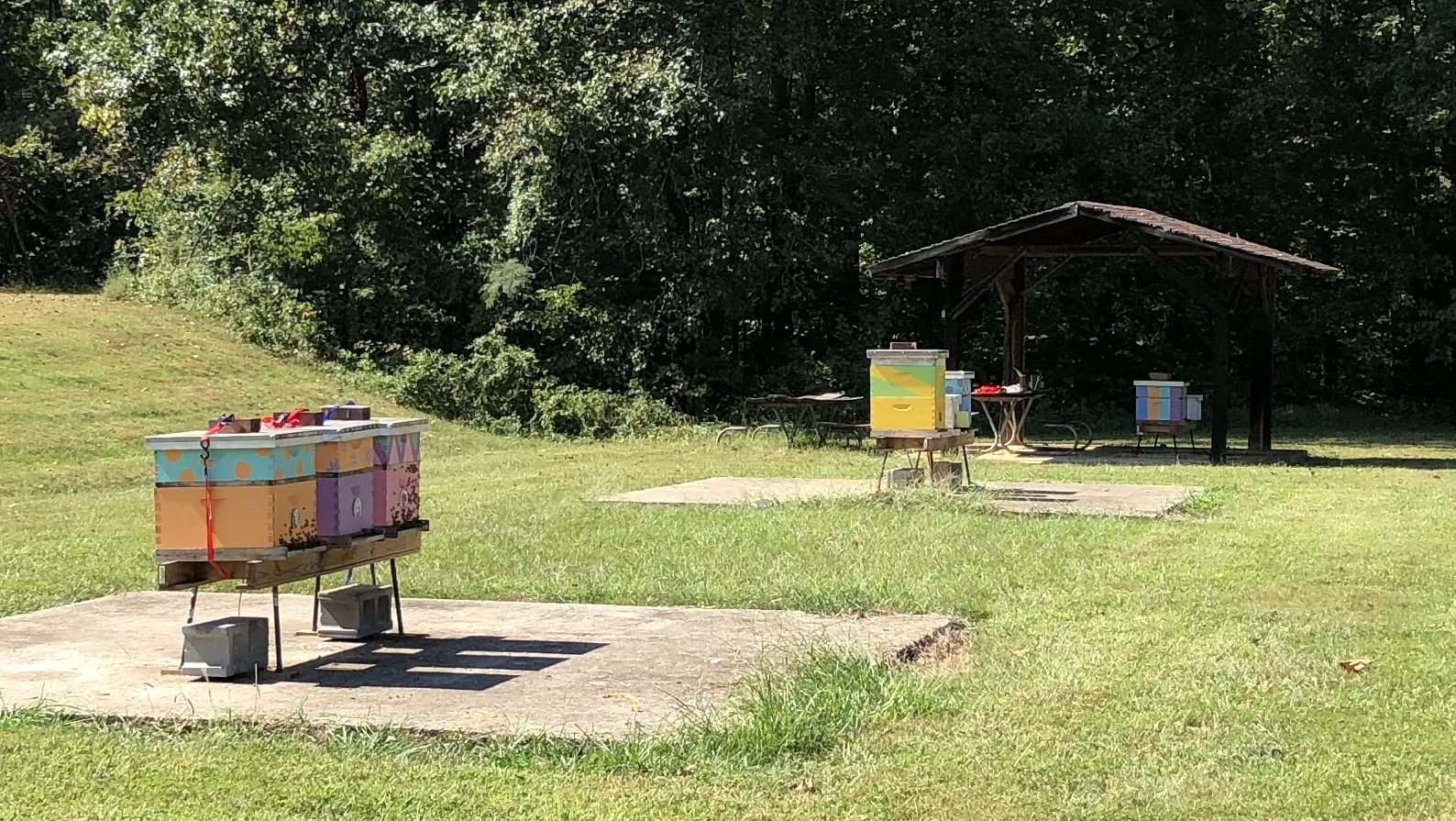
Apiary
The number of honey bee colonies housed at the PPC fluctuates with research needs, generally ranging from 25-50. Colonies are used for research, teaching, and outreach purposes. Excess honey produced by PPC colonies is extracted on site and bottled for use in educational and promotional events. Wax produced by PPC colonies is also collected, and is used to maintain hive equipment, augment educational programs, and for promotion of PPC initiatives.
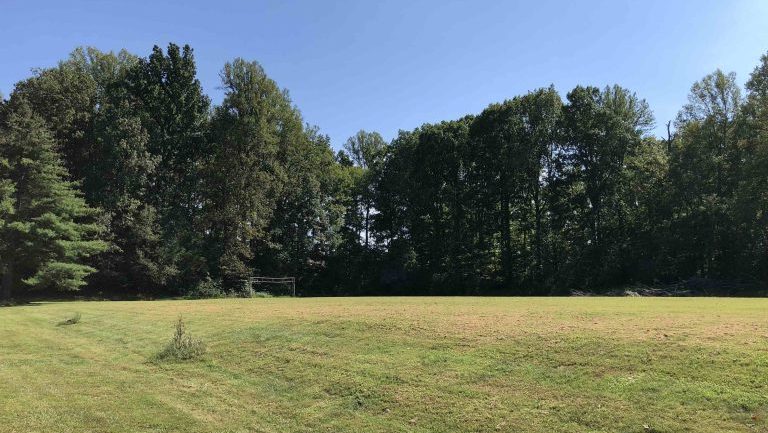
Garden Plots
Several research plots can be found on the old football field at the PPC. Current research topics include drought and heat tolerance of locally important plants, including loblolly pine ecosystems. We have plans (and space!) to create additional pollinator gardens and research field plots (see Future Vision section below).
Greenhouse / Conservatory
See our Vision to learn about our plans for Greenhouse / Conservatory construction.
Meet the Director
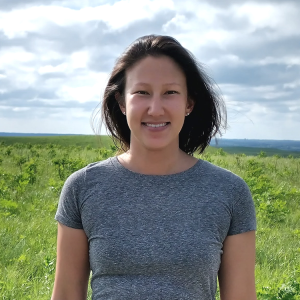
Kaira Wagoner, Ph.D.
Kaira Wagoner serves as Director of the Plant and Pollinator Center at the University of North Carolina Greensboro, and as CEO of the honey bee health company Optera. Dr. Wagoner led the research and development of UBeeO, a pheromone-based tool for measuring honey bee colony pest and disease resistance. In 2023, Dr. Wagoner was recognized in Copenhagen, Denmark as a finalist for the AAAS Science Prize for Innovation for her work with UBeeO, which is now used to improve honey bee health around the world. Dr. Wagoner has published three patents and numerous scientific articles related to pollinator health, and is committed to educating the public about the importance of pollinators and the ecosystems that support them. When not in the lab or apiary, Dr. Wagoner enjoys traveling, playing games, and spending time in the great outdoors with her husband and three nature-loving boys.

Meet Our UNCG Collaborators




Funders & Community Partners





Don’t see your logo but want to support our mission? Contact Kaira Wagoner or click here to learn more about how your organization can get involved.