

Researcher Highlights

Dr. Arjun Khadka
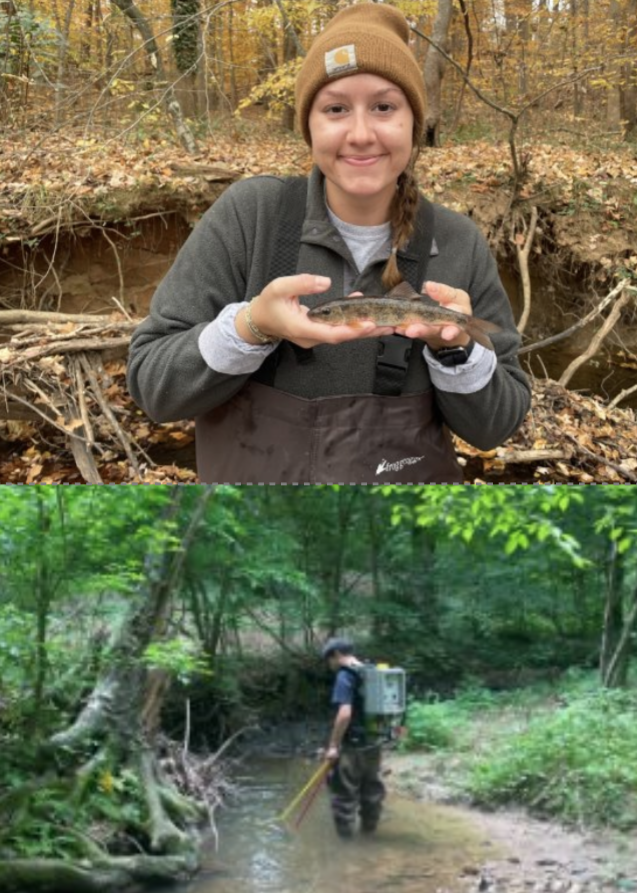
Dr. Ashley Laroque

Elise Grabda
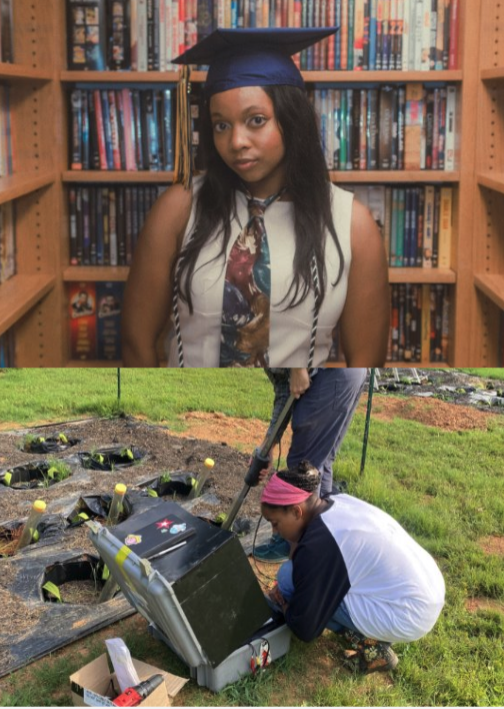
Erin Spivey
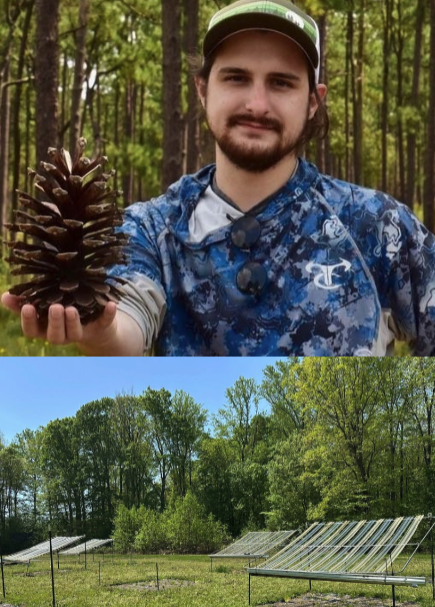
JOrdan Winter
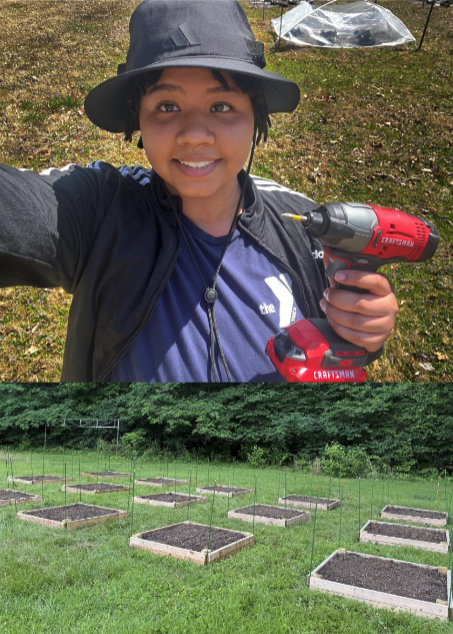
Serenity Owens
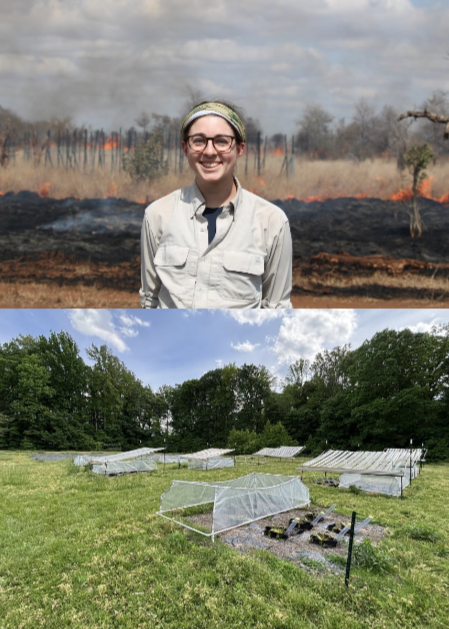
SHelby Williford

Melanie Stadler
Publications
Click on the image for a link to the full abstract/paper.
Research Collaborations

The Box Turtle Connection is a long-term conservation initiative focused on studying and protecting the Eastern box turtle (Terrapene carolina) throughout North Carolina. Through the statewide network known as the Box Turtle Collaborative, volunteers, educators, and researchers collect standardized field data on turtle populations, movements, reproduction, and habitat use. These data are maintained in a centralized research database, allowing scientists to monitor population trends and better understand the species across a variety of habitats and regions.
The project includes more than 40 monitoring sites across North Carolina and is supported in part by the National Science Foundation, along with partnerships involving universities, state agencies, and conservation organizations. This collaborative effort provides the resources needed for volunteer training, long-term monitoring, and statewide conservation research.
Main Objectives
- Gather baseline population data for long-term monitoring
- Engage citizens in scientific data collection
- Compare turtle populations across different regions of North Carolina
- Assess the conservation status of Eastern box turtles statewide
- Identify environmental and human-related factors affecting turtle populations
Christine Light serves as the Project Leader for the Gateway/PPC monitoring site, which became an established monitoring location in 2023. Since its establishment, five Eastern box turtles have been processed at the site, including the documentation of a nest that successfully produced four hatchlings. The Gateway/PPC site contributes valuable local data to the broader conservation effort for the Eastern box turtle, which is the official state reptile of North Carolina.
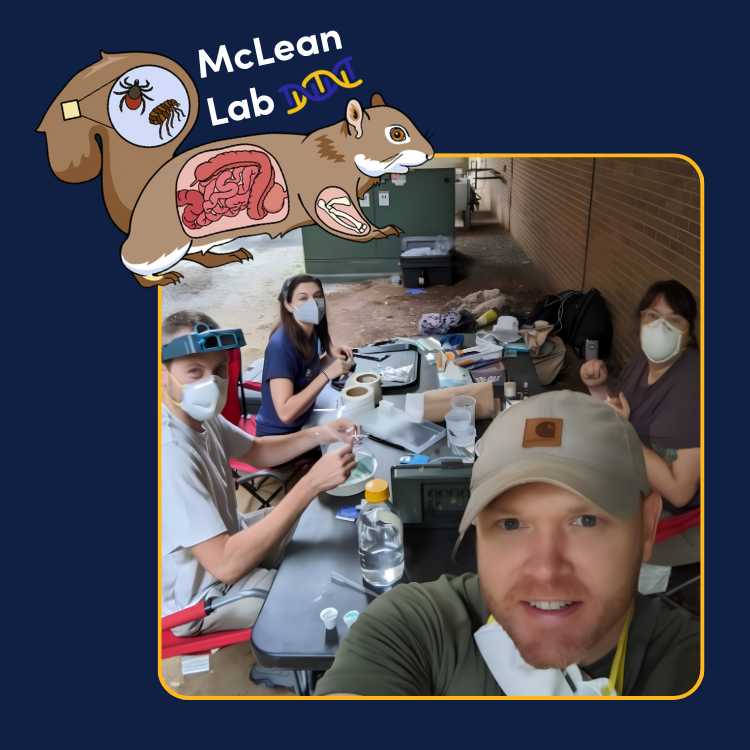
The McLean Lab is a biodiversity research program focused on understanding how mammals respond to environmental change across landscapes and over time. Through field studies, museum collections, genetic analyses, and biodiversity datasets, researchers investigate the ecological and evolutionary processes that shape mammal populations and communities. This work helps scientists better understand species distributions, adaptation, and conservation in a changing world.
The lab collaborates with researchers, museums, universities, and conservation organizations throughout North America to address questions related to biodiversity, climate change, and wildlife conservation. By integrating historical and contemporary data, the McLean Lab contributes to a broader understanding of how environmental change affects mammals and other wildlife.
Main Objectives
- Study the ecological and evolutionary factors influencing mammal populations
- Investigate how species respond to environmental and climate change
- Use biodiversity data to understand patterns of species distribution
- Support conservation efforts through research and data-driven insights
- Train students in field research, biodiversity science, and conservation biology
The McLean Lab serves as an important research partner of the Plant and Pollinator Center, contributing expertise in biodiversity science, wildlife ecology, and conservation research. Through collaborative projects and student involvement, the lab helps advance the Center’s mission of understanding and protecting biodiversity across North Carolina and beyond.